
Lorna Shore, with special guests Paleface Swiss, and Signs of the Swarm
Spring 2026 North America Tour
April 20th, 2026
Steelhouse
Omaha, Nebraska
Words and photos by Adam Mikael Tibbott
Omaha’s Steelhouse felt less like a venue tonight and more like a pressure chamber ready to burst. A lineup once relegated to the margins of heavy music culture stepped fully into the spotlight and filled the room doing it.
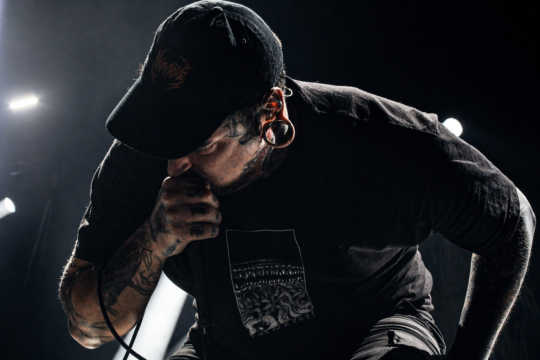
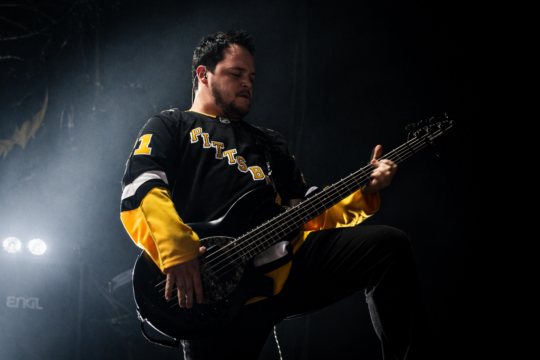
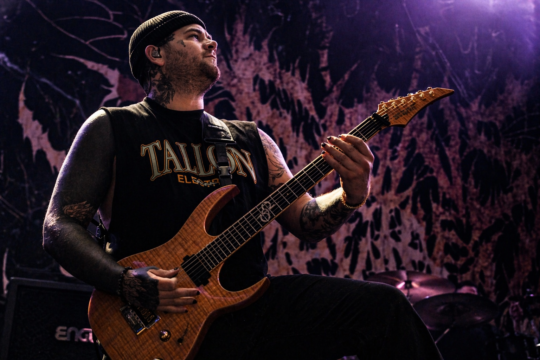
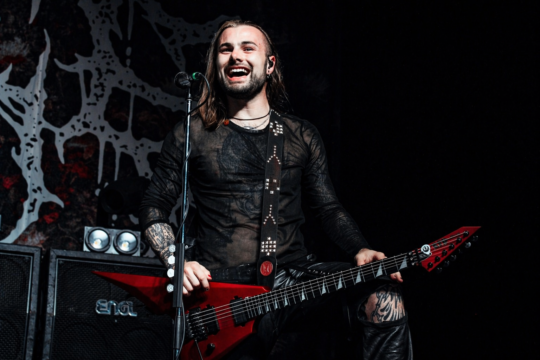
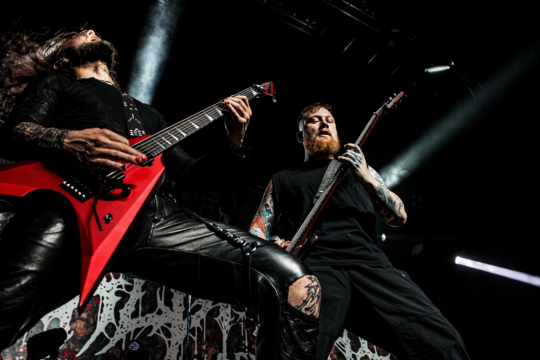
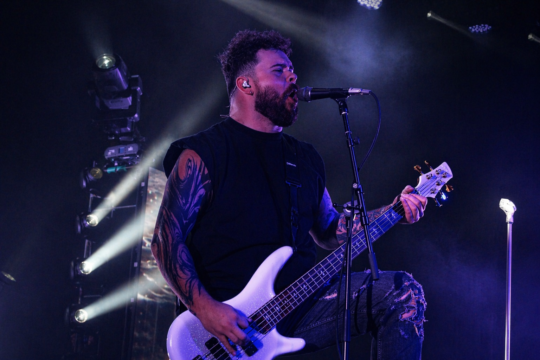
After a bit of a delay opening doors, Signs of the Swarm opened the night with zero intention of easing anyone in. Their set was immediate, punishing, and precise. They were an unrelenting wall of sound that set the tone early. Their performance was defined by precision and sheer sonic force. No theatrics needed, just raw weight and control, and the crowd locked in from the first breakdown. Their set avoided excess, relying instead on tightly controlled aggression and punishing low-end weight. It was a calculated introduction, less about spectacle, more about establishing the uncompromising tone that would carry through the night.
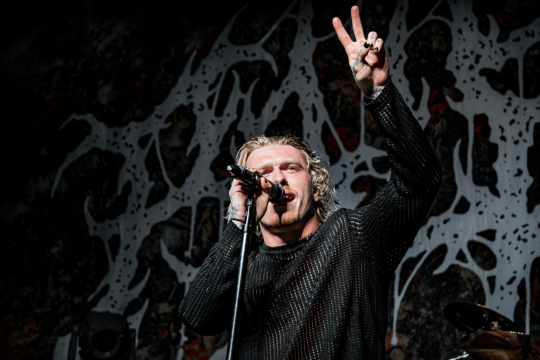
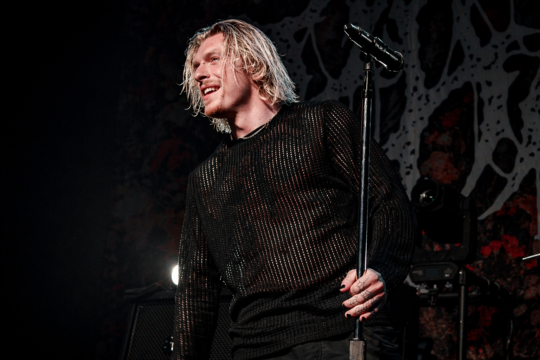
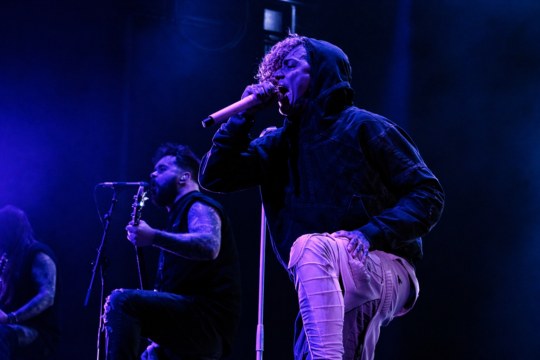
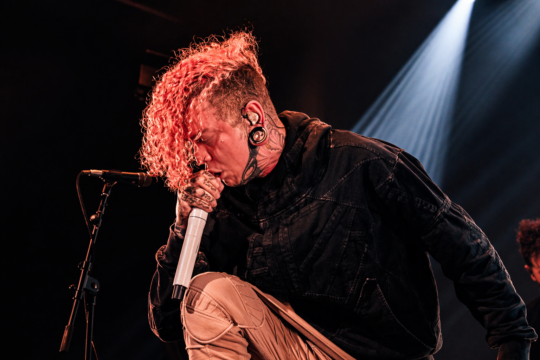
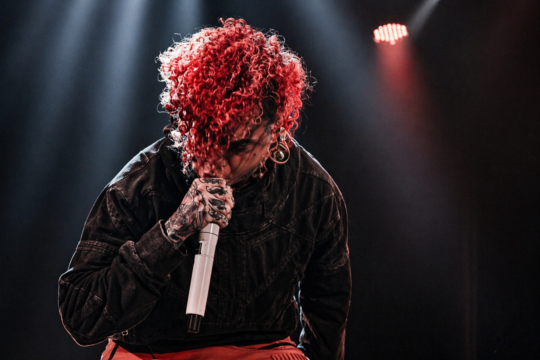
Then came Paleface Swiss and the energy shifted from heavy to volatile. Their performance felt chaotic in the best possible way, like the entire room was teetering on the edge. Where Signs of the Swarm’s set was controlled chaos, Paleface Swiss embraced unpredictability. The connection between band and crowd was undeniable. Their performance blurred the line between stage and floor, feeding off the crowd’s intensity and returning it tenfold. The result was a palpable sense of instability, in the best sense, where each moment felt like it could tip into complete chaos. Every drop hit harder, every scream echoed back twice as loud. This wasn’t just a set, it was a release.
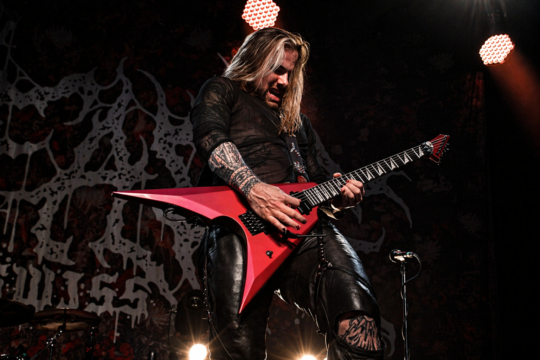
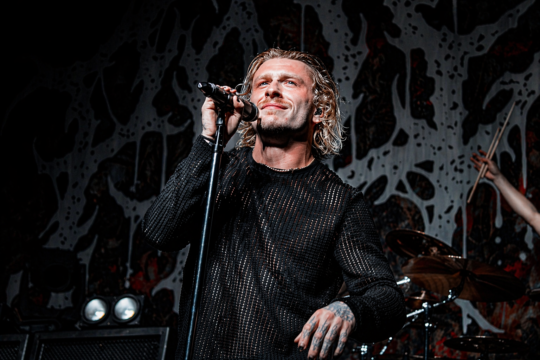
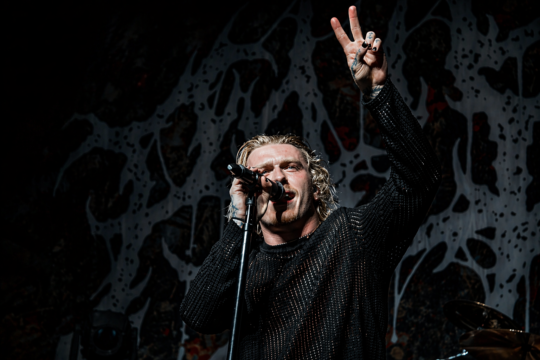
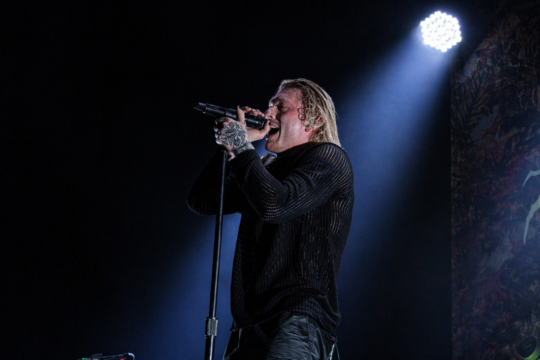
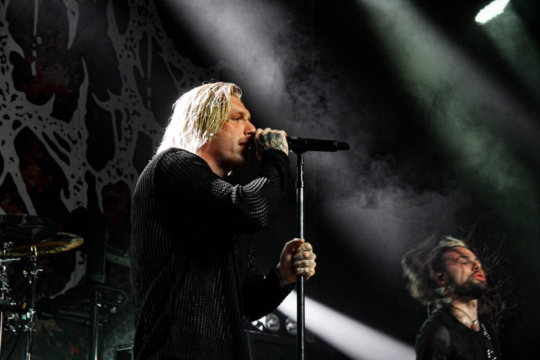
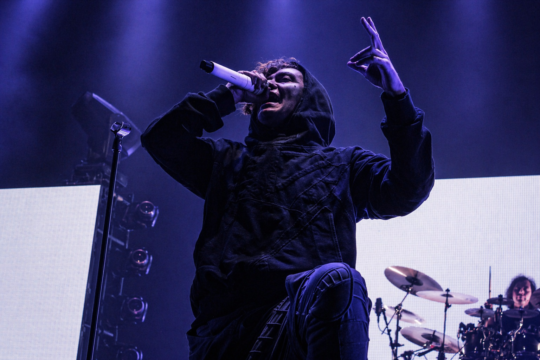
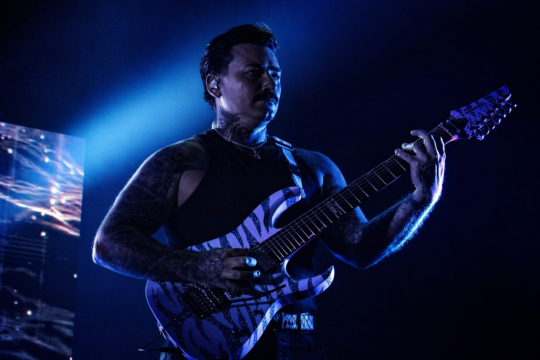
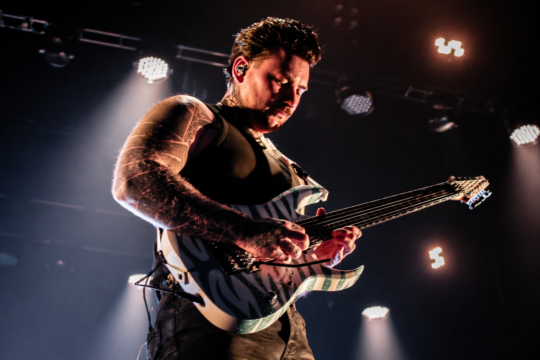
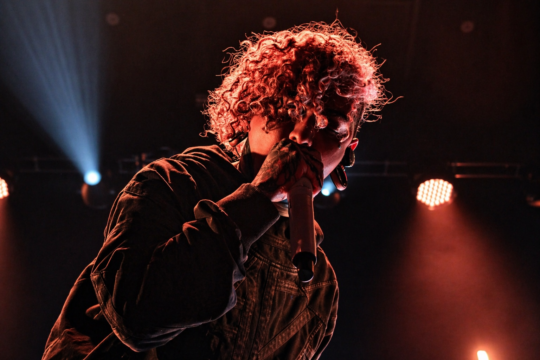
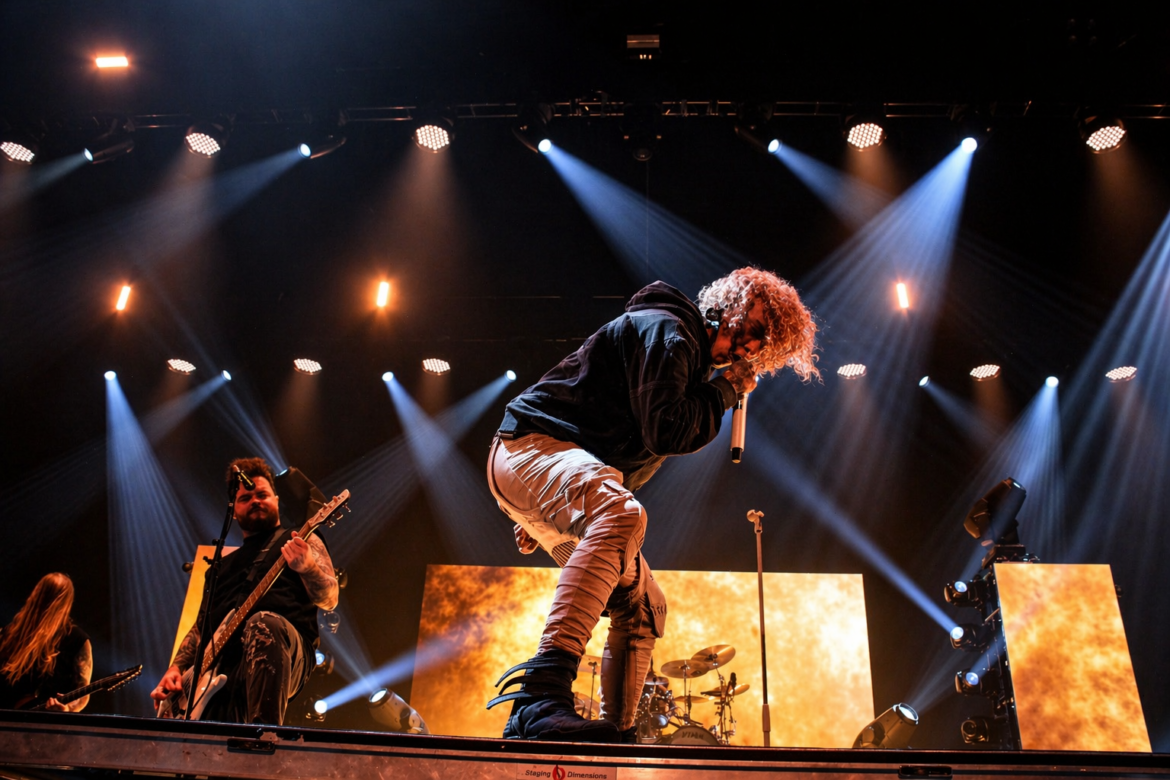
By the time Lorna Shore took the stage, the night had already escalated but somehow they pushed it even further. Lorna Shore delivered a performance that underscored just how far the genre has evolved. Their live presence is expansive and meticulously executed, pairing technical complexity with a cinematic sense of scale. Their sound is massive, and impossibly tight live on stage. The technical precision never sacrifices intensity, and the atmosphere they build is something few bands can replicate. It felt less like watching a performance and more like being pulled into it. Rather than overwhelming the audience, their precision sharpened the experience, allowing each dynamic shift to land with clarity and impact. It was a set that balanced extremity with structure, reinforcing their position at the forefront of modern heavy music.
Yet beyond the performances, the most striking element of the evening was the audience itself. Nearly 2,000 attendees filled Steelhouse Omaha, an undeniable marker of how dramatically the cultural footprint of deathcore and extreme metal has grown. A lineup of this nature, even as recently as 15 years ago, would likely have been confined to a smaller room such as Sokol Underground, drawing a fraction of tonight’s audience. What was once considered niche has steadily moved toward broader recognition without sacrificing its intensity or identity. That shift is not the result of dilution, but of expansion. The core elements, aggression, technicality, and catharsis, remain intact. What has changed is the audience’s willingness to engage with them. At Steelhouse Omaha, that evolution was impossible to ignore, and judging by the energy inside the venue tonight, that growth isn’t slowing down anytime soon.
Heavy music hasn’t softened, it’s expanded. The intensity, the aggression, the catharsis… it’s all still there. The difference is that more people are finally understanding it.